Get Wood Cladding Installation
Local contractors offer wood cladding installation services that enhance building appearance, improve insulation, and protect structures for residential and commercial property projects.
Wood cladding installation can be an excellent choice for property owners looking to enhance the appearance and durability of their buildings. Whether updating an existing facade or planning a new construction, choosing the right materials and skilled contractors is essential for achieving a polished, long-lasting result. Exploring local options allows property owners to compare services and find experienced providers who understand the specific needs of the area’s architecture and climate.
Property owners often consider wood cladding for its aesthetic appeal, natural insulation properties, and ability to increase curb appeal. Planning a project carefully and selecting reputable local contractors can help ensure the work aligns with individual preferences and property requirements. Continuing to explore available options can provide valuable insights into the best solutions for your property’s unique characteristics.
- Residential Home Renovations - homeowners seeking to enhance the appearance and durability of their property's exterior may require wood cladding installation.
- Commercial Building Facades - businesses looking to improve curb appeal and protection for their commercial properties might need professional wood cladding services.
- New Construction Projects - builders constructing new residential or commercial structures often incorporate wood cladding as a design feature or protective layer.
- Exterior Renovations - property owners planning to update or upgrade existing facades may turn to local contractors for wood cladding installation.
- Architectural Enhancements - architects or designers specifying wood cladding for aesthetic or functional purposes can connect with local service providers for installation.

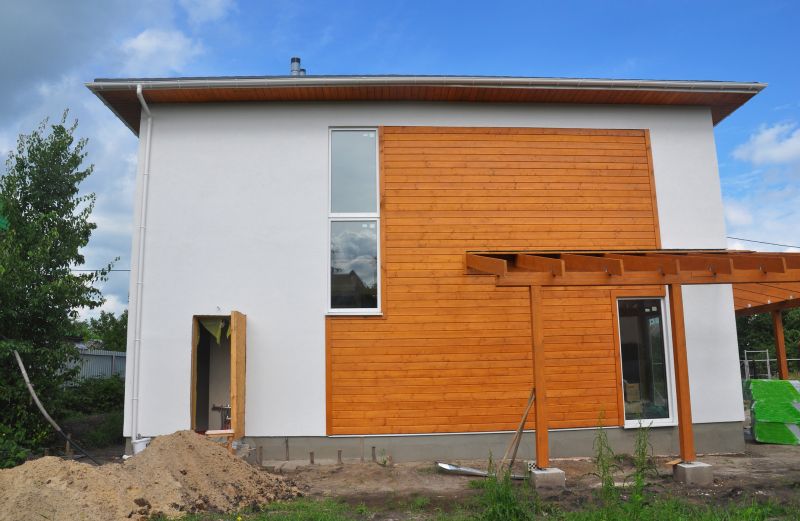
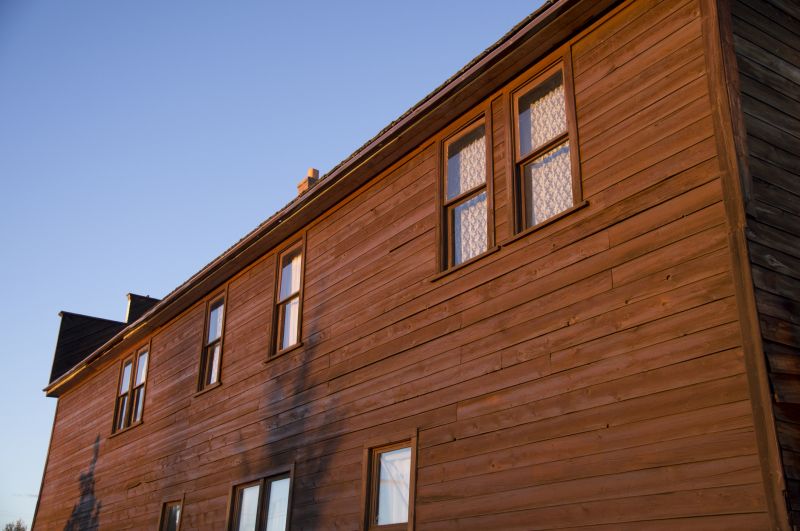
Wood cladding installation involves attaching wooden panels or planks to the exterior or interior walls of a property to enhance its appearance and provide additional protection. This service typically includes selecting suitable types of wood, preparing the surface, and carefully fitting the cladding to ensure a smooth, secure finish. Skilled contractors will also handle any necessary weatherproofing or sealing to help the cladding withstand the elements and maintain its visual appeal over time. Proper installation is key to maximizing the durability and aesthetic benefits of wood cladding, making it a popular choice for homeowners seeking a natural, stylish look.
One of the main problems wood cladding helps address is protecting buildings from weather-related damage, such as rain, wind, or sun exposure. It also provides an extra layer of insulation, which can improve energy efficiency inside the property. Additionally, wood cladding can cover up existing wall imperfections or damage, giving a property a fresh, updated appearance. For homes that have seen wear and tear or are looking for a way to boost curb appeal, professional installation of wood cladding offers a practical solution that combines function with style.
Properties that often use wood cladding include residential homes, especially those with traditional or contemporary designs, as well as cottages, bungalows, and townhouses. It’s also popular for renovation projects where owners want to modernize or add character to their property. Commercial buildings, such as cafes, shops, or offices, may also incorporate wood cladding to create a welcoming or distinctive exterior. Typically, properties that aim for a natural look, improved insulation, or increased visual interest are good candidates for this type of cladding.
Homeowners considering wood cladding installation should look for local contractors experienced in working with different types of wood and building styles. Whether the goal is to improve insulation, update the property's appearance, or repair damaged walls, professional installers can recommend suitable materials and ensure a high-quality finish. Connecting with trusted local service providers makes it easier to find the right solution for specific property needs, ensuring the project is completed efficiently and to a high standard.
The overview below groups typical Wood Cladding Installation projects into broad ranges so you can see how smaller, mid-sized, and larger jobs often compare in your area.
In many markets, a large share of routine jobs stays in the lower and middle ranges, while only a smaller percentage of projects moves into the highest bands when the work is more complex or site conditions are harder than average.
Smaller Repairs - Minor wood cladding repairs or patching typically cost between $250 and $600 for many routine jobs. These projects often involve replacing a few damaged boards or fixing surface issues. Most local contractors can handle these smaller tasks efficiently within this range.
Partial Replacement - Replacing sections of wood cladding usually falls within the $1,000 to $3,000 range, depending on the size and type of material used. Many projects involving partial upgrades or repairs tend to land in this middle band, with fewer reaching the higher end.
Full Cladding Replacement - Installing new wood cladding across an entire building can range from $5,000 to $15,000 or more. Larger, more complex projects with premium materials can push costs beyond this range, but most full replacements are priced within these typical limits.
Custom or High-End Projects - Custom designs, intricate detailing, or premium wood selections can lead to costs exceeding $20,000. These projects are less common and usually involve extensive planning, but local service providers can provide estimates based on specific requirements.
Actual totals will depend on details like access to the work area, the scope of the project, and the materials selected, so use these as general starting points rather than exact figures.
Exterior Wall Cladding Projects - Local contractors experienced in wood cladding can also handle other types of exterior wall coverings, ensuring a cohesive and durable finish for buildings.
Interior Wall Paneling Installations - Skills used in wood cladding installation are applicable to interior wall paneling, providing decorative and protective surfaces inside homes and commercial spaces.
Deck and Patio Coverings - Installing wood decking and patio covers involves similar planning, tools, and carpentry skills as wood cladding on building exteriors.
Fencing and Boundary Wall Construction - Fencing projects require precise measurements and woodwork techniques comparable to those used in cladding installation.
Roofing and Soffit Cladding - Local service providers experienced in wood cladding can also install soffit and roofing cladding, ensuring weather protection and aesthetic continuity.
Custom Wood Feature Installations - Creating custom wood features like accent walls or decorative panels utilizes similar carpentry skills as standard cladding projects.
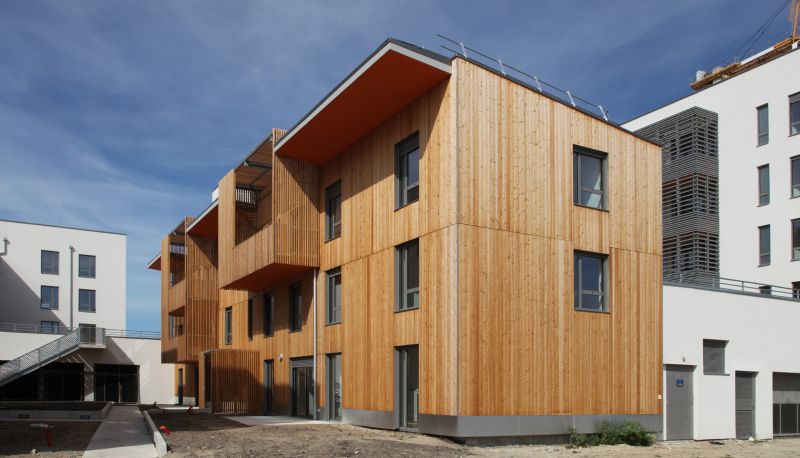
When evaluating local contractors for wood cladding installation, it’s important to consider their experience with similar projects. Homeowners should look for service providers who have a proven track record of working on projects comparable in scope and style. Asking for examples of past work or references related to wood cladding can provide insight into their expertise and familiarity with the materials and techniques involved. This helps ensure that the chosen professional understands the specific requirements of the project and can deliver results that meet expectations.
Clear, written expectations are essential when comparing local contractors. Homeowners should seek detailed estimates that outline the scope of work, materials to be used, and any specific responsibilities of the contractor. Having these details in writing helps prevent misunderstandings and ensures everyone is aligned on the project’s goals. A professional service provider will be transparent about their process and communicate openly about what is included, enabling homeowners to make informed decisions and avoid surprises along the way.
Good communication and reputable references are key indicators of a reliable local contractor. Service providers who are responsive, approachable, and willing to answer questions demonstrate a commitment to customer satisfaction. Asking for references from previous clients can provide valuable feedback on their experience, punctuality, and quality of work. Homeowners should prioritize contractors who maintain clear communication throughout the process, as this fosters a smoother project experience and helps build confidence in the contractor’s professionalism and reliability.
Property owners use Wood Cladding Installation services for practical projects around their homes and businesses. This guide focuses on everyday jobs and straightforward project options.
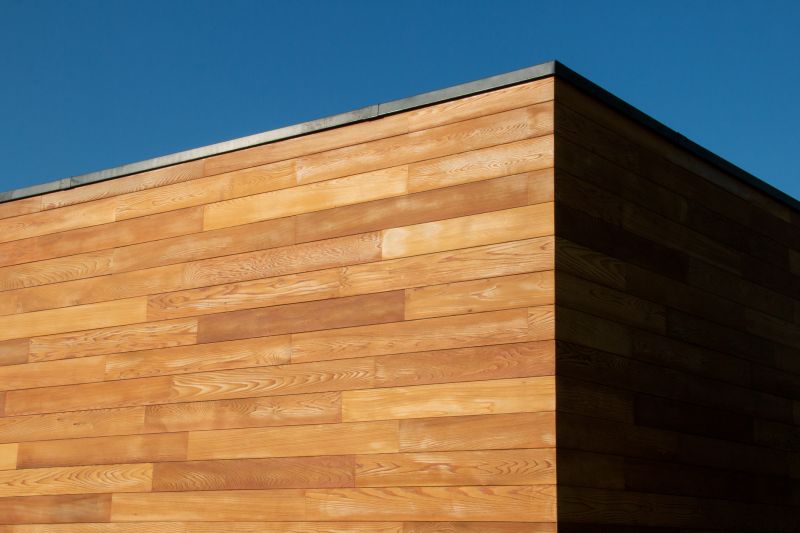
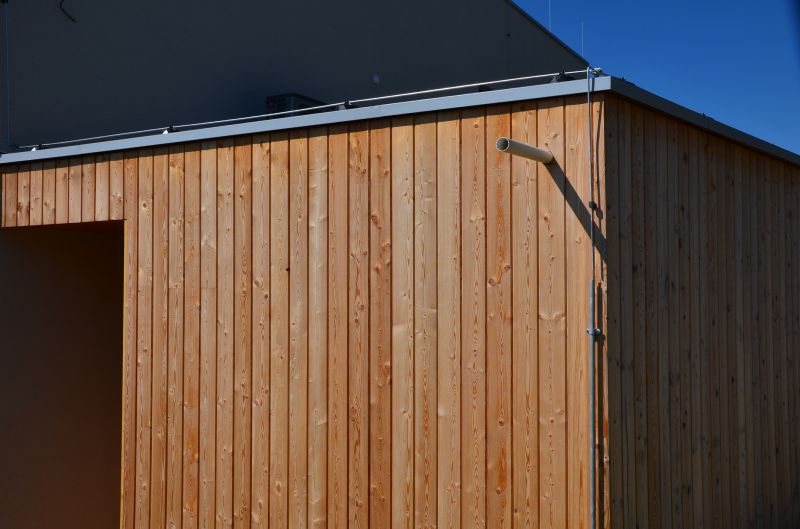
Wood cladding installation is a common project for property owners looking to enhance the appearance and durability of their buildings. Whether updating the exterior of a home to improve curb appeal or adding cladding to a commercial property for a fresh look, local contractors are often sought after to handle these projects. Property owners might also consider wood cladding when renovating a façade, replacing weathered siding, or seeking a natural, textured finish that complements their overall design.
In many cases, property owners turn to local service providers for wood cladding installation to address issues like weather damage, outdated exteriors, or the desire for increased insulation. Simple reasons for seeking these services include wanting to improve energy efficiency, boost property value, or achieve a specific aesthetic. Local contractors can provide guidance on suitable materials and styles, ensuring the project aligns with the property's needs and the owner’s vision.
What types of wood are suitable for cladding installation? Local contractors typically recommend a variety of woods such as cedar, redwood, and pressure-treated pine, depending on the desired aesthetic and durability requirements.
Is it necessary to prepare the existing wall before installing wood cladding? Yes, proper preparation of the surface, including cleaning and ensuring a flat, stable base, is often recommended by local service providers for optimal results.
What are common installation methods for wood cladding? Installation methods vary but often include nailing, screwing, or using clips, with the choice depending on the type of wood and the structure of the building.
Can wood cladding be installed on any type of building? Wood cladding can be adapted for various building types, including residential and commercial structures, with local contractors customizing the approach accordingly.
What maintenance is typically required after installing wood cladding? Maintenance usually involves regular cleaning, sealing, or staining to preserve appearance and protect against weathering, as advised by local professionals.
Enhance Exterior Appearance - Property owners can improve the look of their homes by installing attractive wood cladding on walls or facades.
Upgrade Outdoor Spaces - Wood cladding can be used to create stylish features like garden walls, fences, or outdoor seating areas.
Improve Insulation and Protection - Adding wood cladding helps protect building exteriors from weather elements while providing additional insulation.
Renovate or Modernize Interiors - Interior spaces can be refreshed with wood cladding on feature walls, adding warmth and texture to living areas.
If you are thinking about Wood Cladding Installation for a property, this guide is meant to help you understand the work, the typical project types, and how different options might fit your plans.
When you are ready, you can use the quote form on this page to share a few details about your project. From there, local pros can review the basics and respond with options that match what you have in mind.